Primary

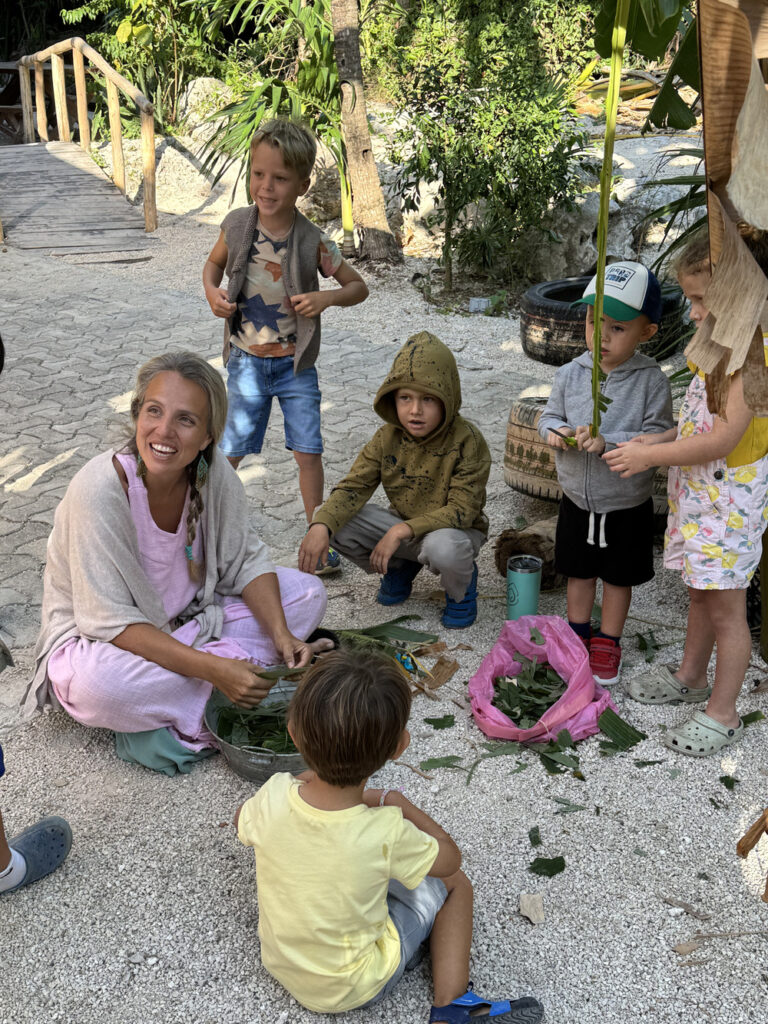
At Tierra Libre, we accompany children through a stage in which curiosity awakens with strength, and thinking begins to take its own shape. Our mission — to care for childhood to form human beings capable of happiness—guides every aspect of our primary program, which unfolds in a loving, structured, and living environment where knowledge is integrated with doing, feeling, and thinking.
Our approach is inspired by Waldorf education, thoughtfully adapted to our context and academically enriched to harmonize experiential learning with official curricular content—without losing depth, beauty, or human meaning. At all times, we work with the willpower: we seek for the impulse to give one’s best effort, to create with care, and to aspire toward beauty, to arise from within the child, rather than from external pressure. This strengthens perseverance, autonomy, and self-worth — essential pillars of healthy learning.
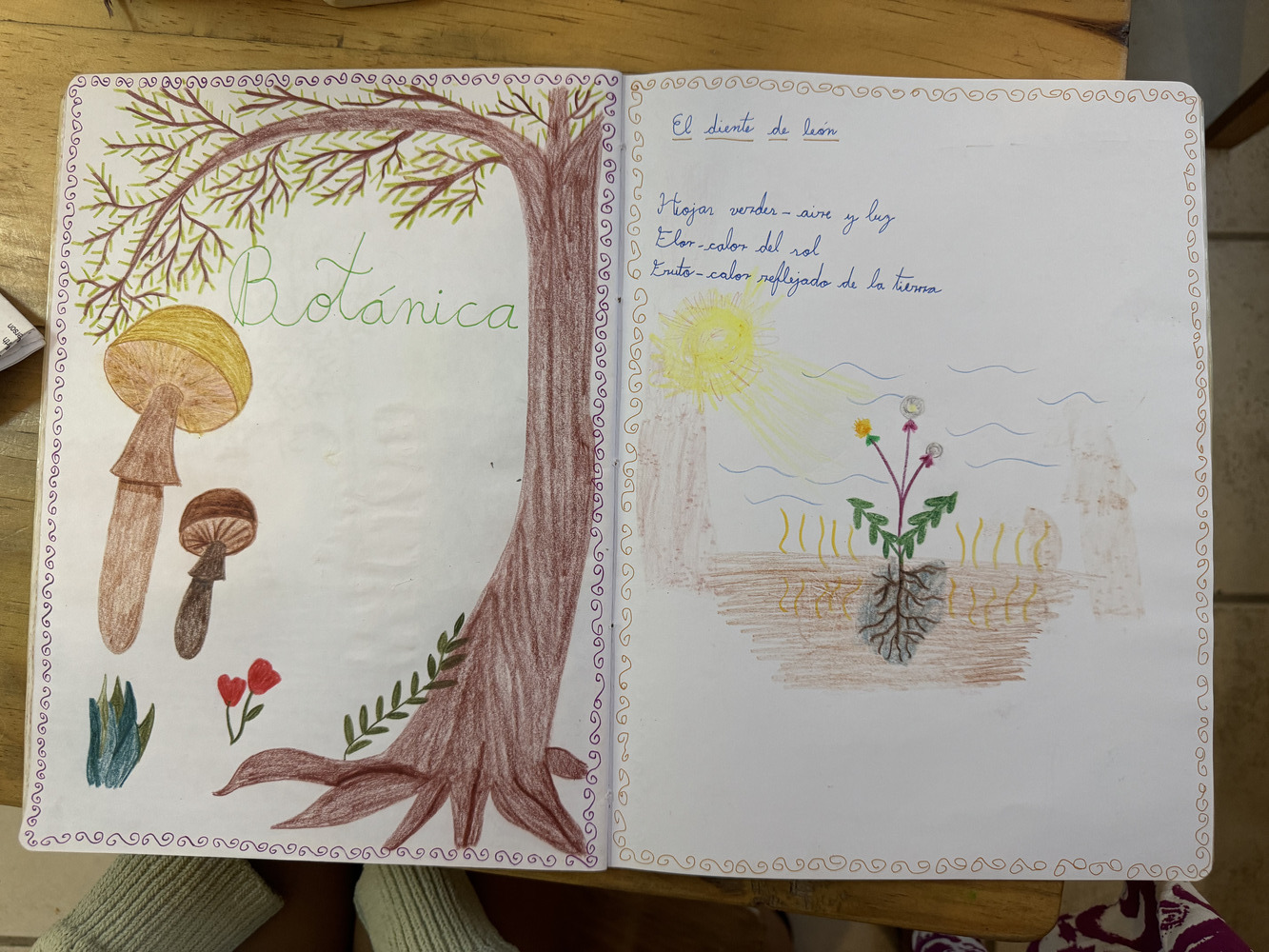
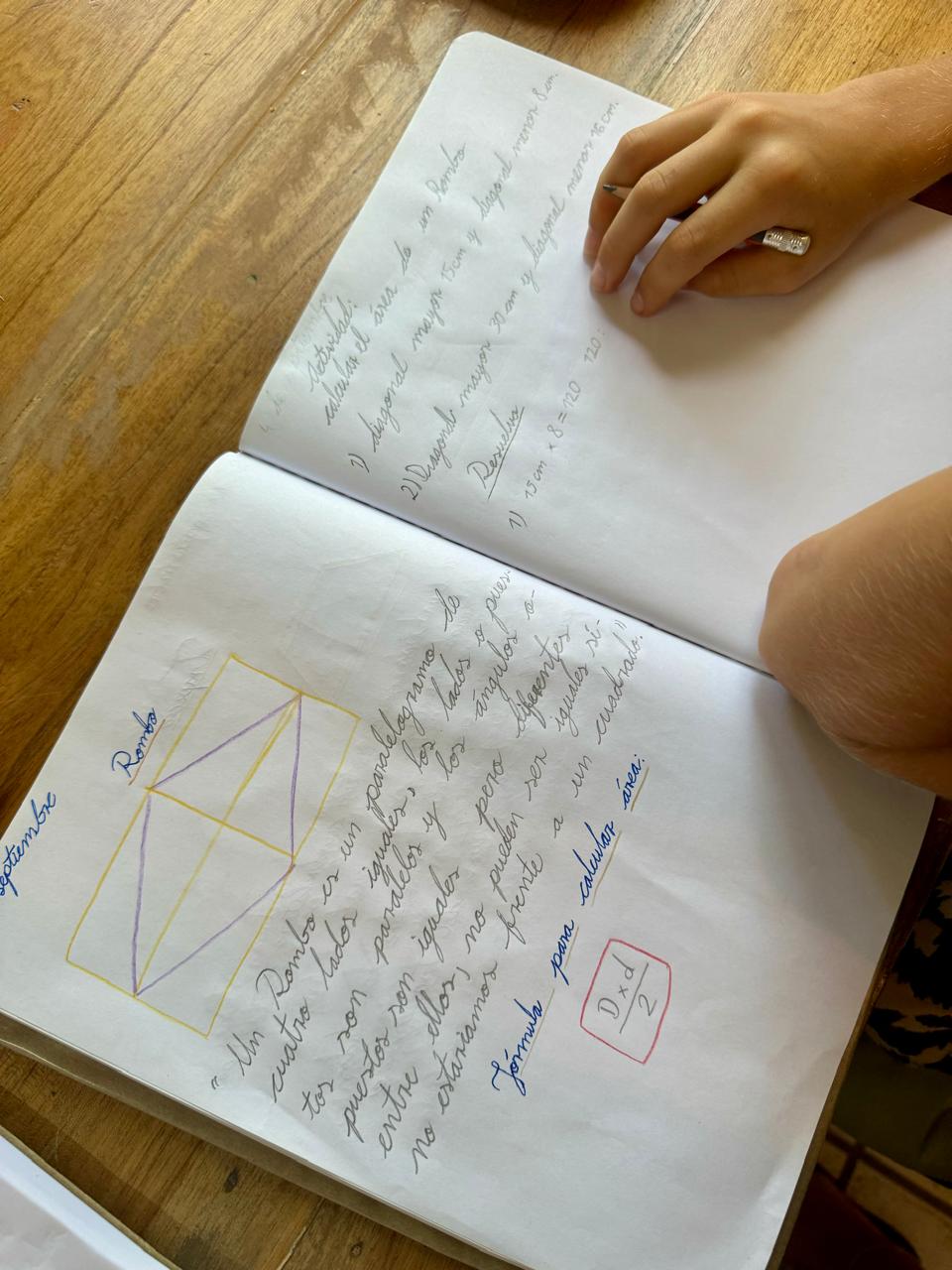
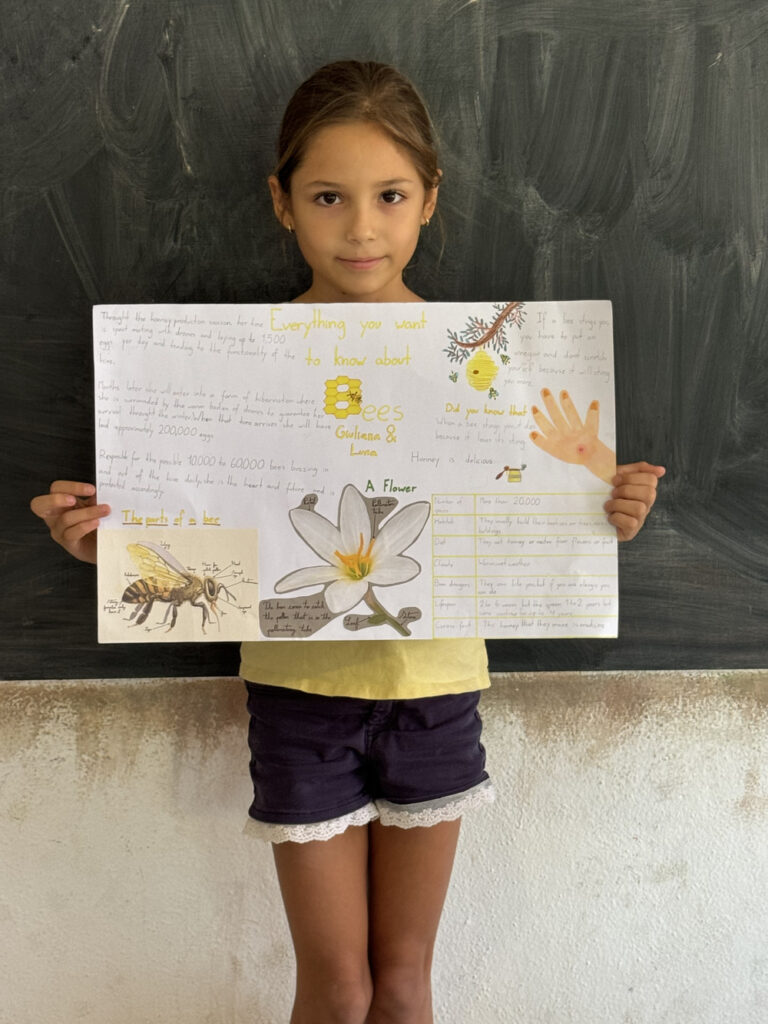
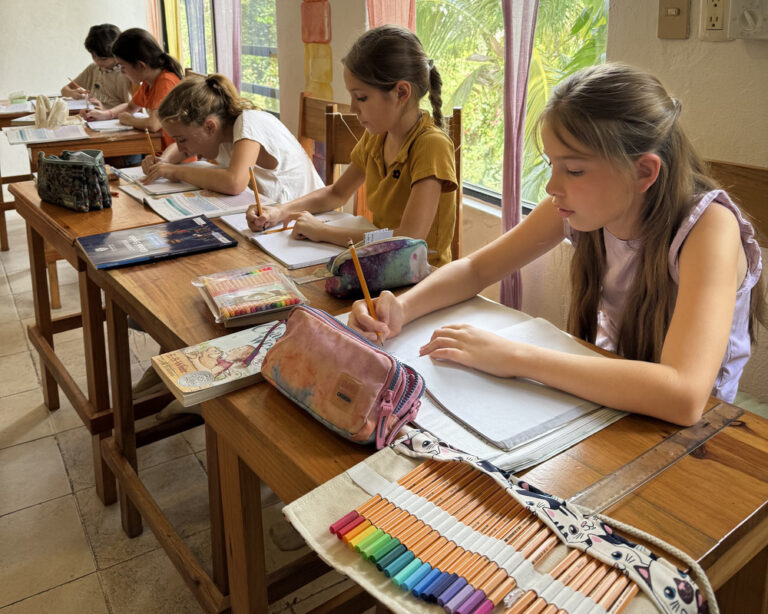
Children create their own main lesson books, building with their hands a living record of what they learn. This handcrafted process — drawing, writing, organizing ideas, shaping color — not only integrates academic content but also awakens pride, a sense of authorship, and an intimate relationship with knowledge.
Above any academic achievement, we protect and nurture the joy of learning — that innate human curiosity that flourishes when a child feels safe, seen, and capable. We foster the development of self-confidence: the deep certainty that they can achieve what they set out to do, step by step, through lived experience and respectful guidance.
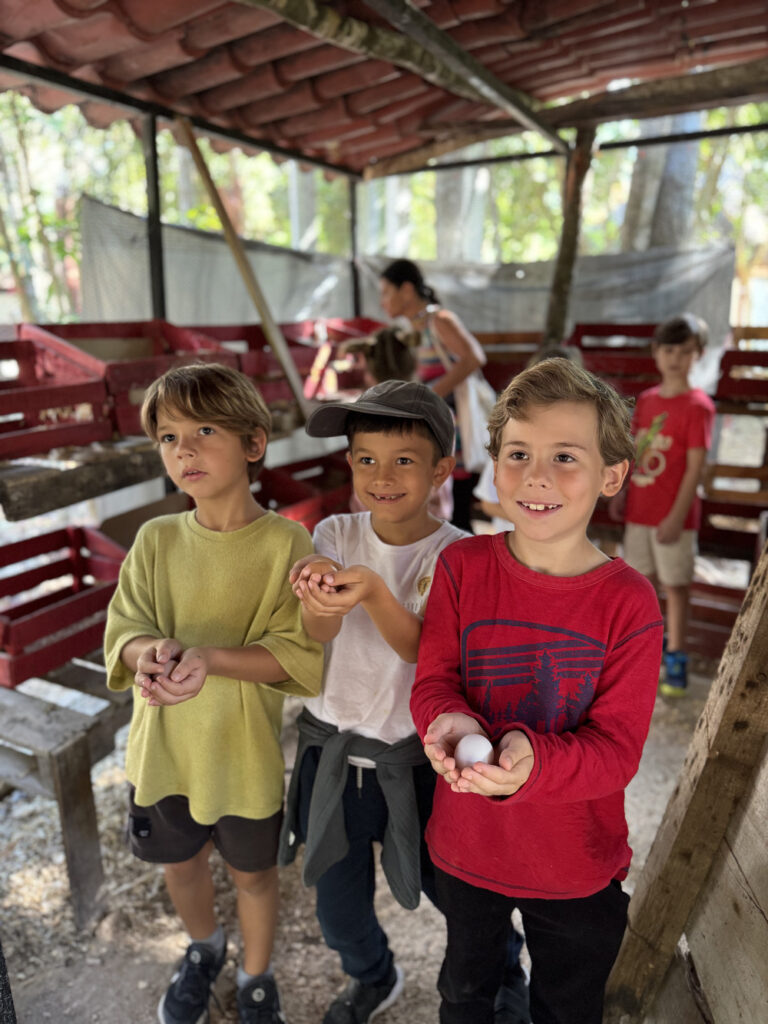
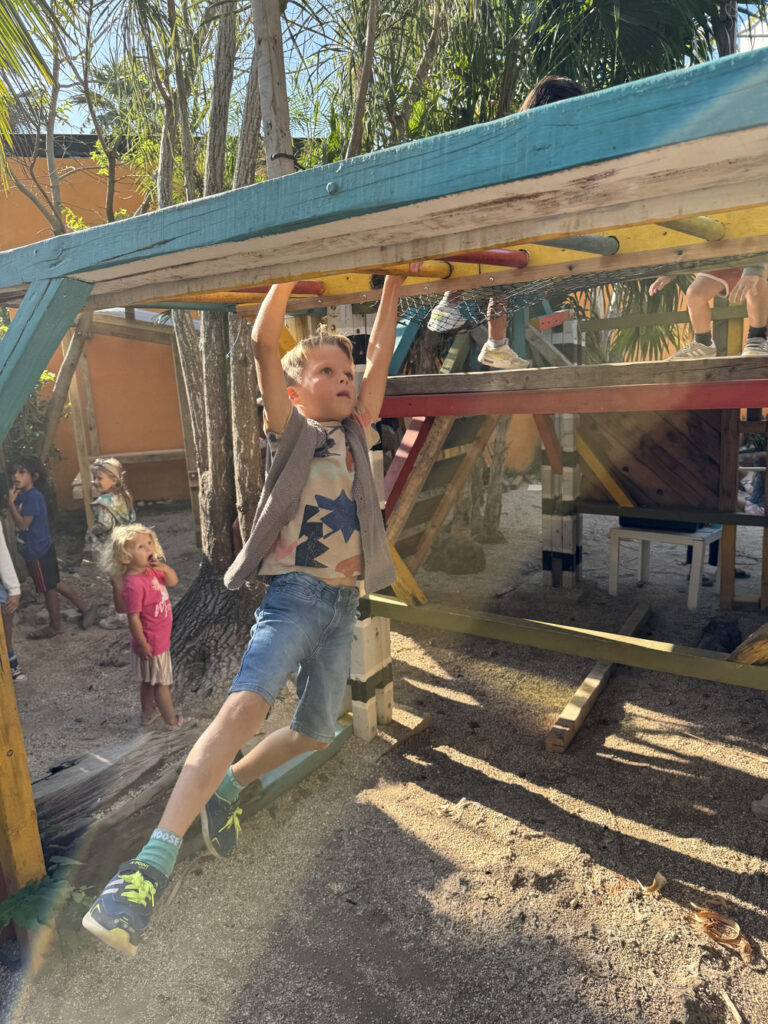
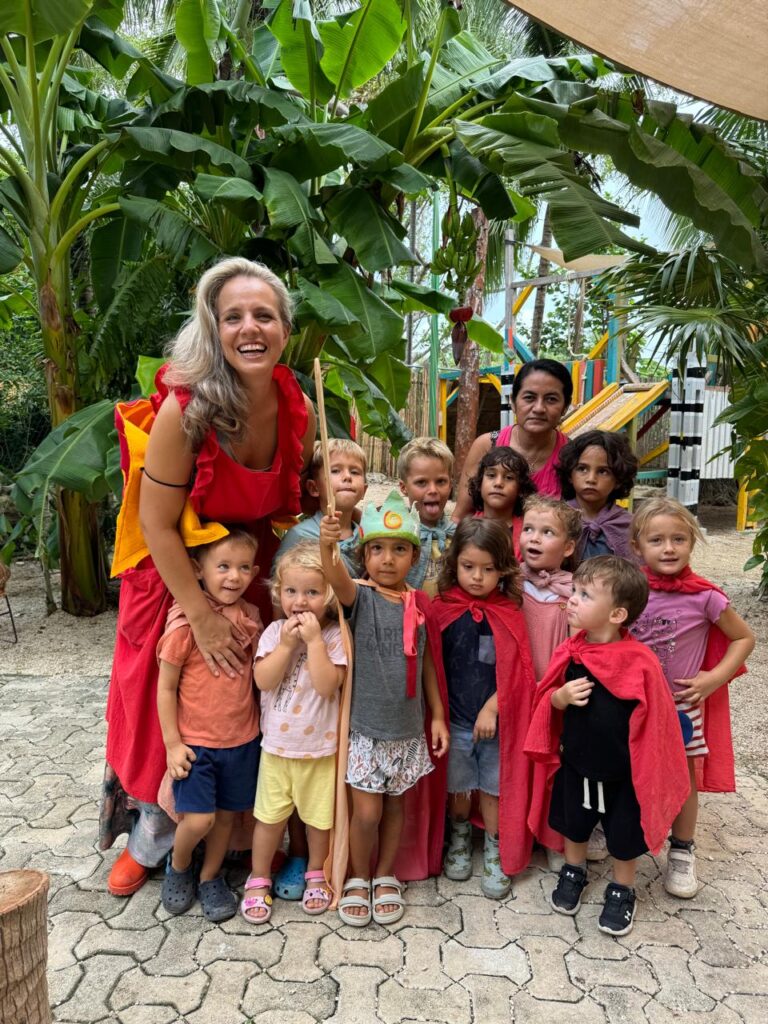
A Path That Respects Developmental Stages
Each child moves through primary from a unique place, and our guidance adapts to that evolving process. We strive to introduce content at the right moment, honoring inner rhythms and allowing learning to arise from experience, imagination, will, and gradually awakening thought.
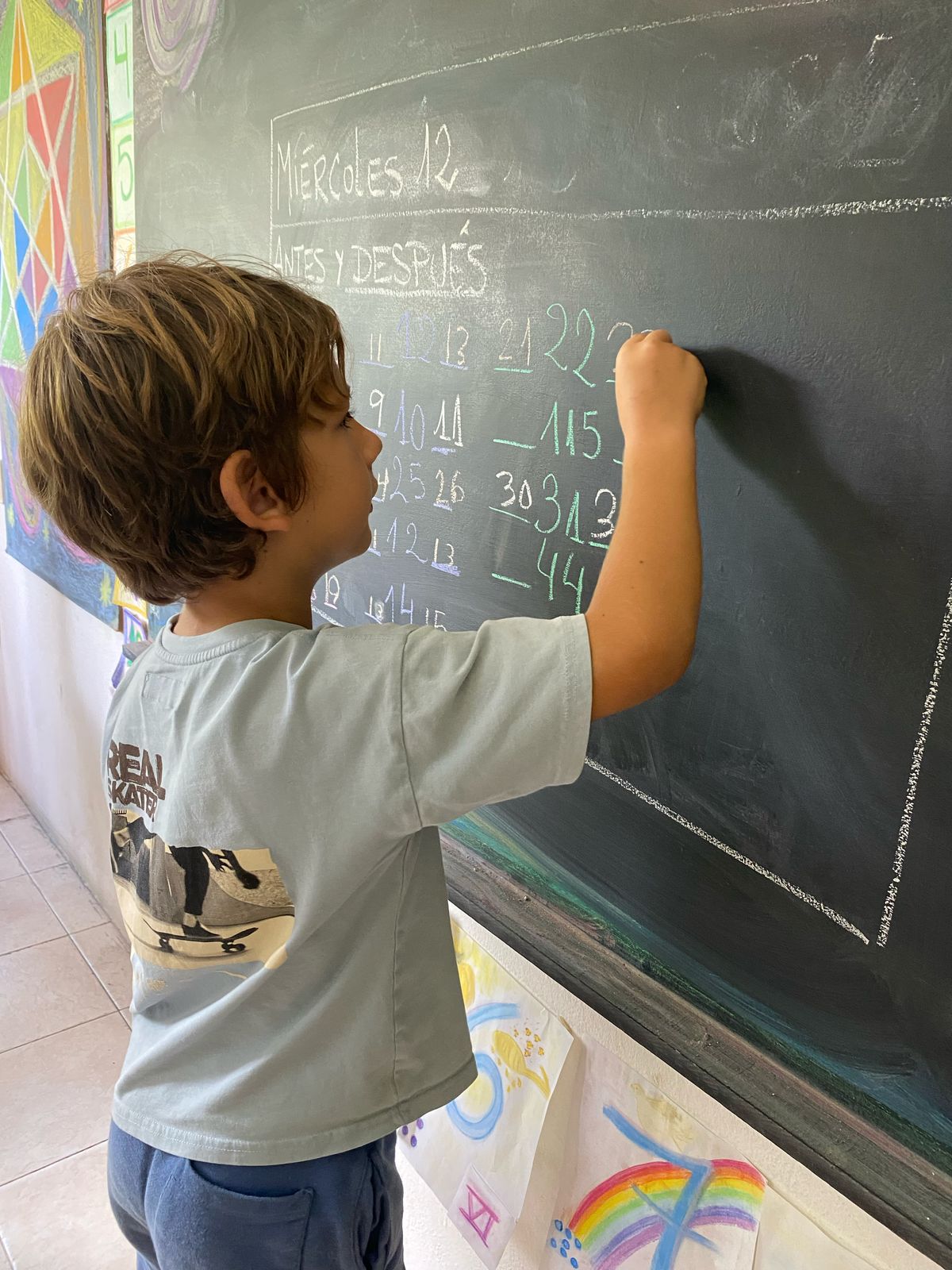
The curriculum for each primary grade is organized into thematic blocks lasting three to four weeks, allowing for deep and meaningful immersion in each subject. At the same time, children practice reading, writing, and mathematics every day, ensuring continuity, fluency, and mastery of foundational skills.
Academic Content: A Living Bridge to the World
Our academic curriculum is thoughtfully designed to accompany children in discovering the world and in the progressive development of their thinking capacities. Each thematic block invites them to observe, understand, and relate to their environment from multiple perspectives, integrating social studies, natural sciences, mathematics, and language into a coherent and meaningful experience.
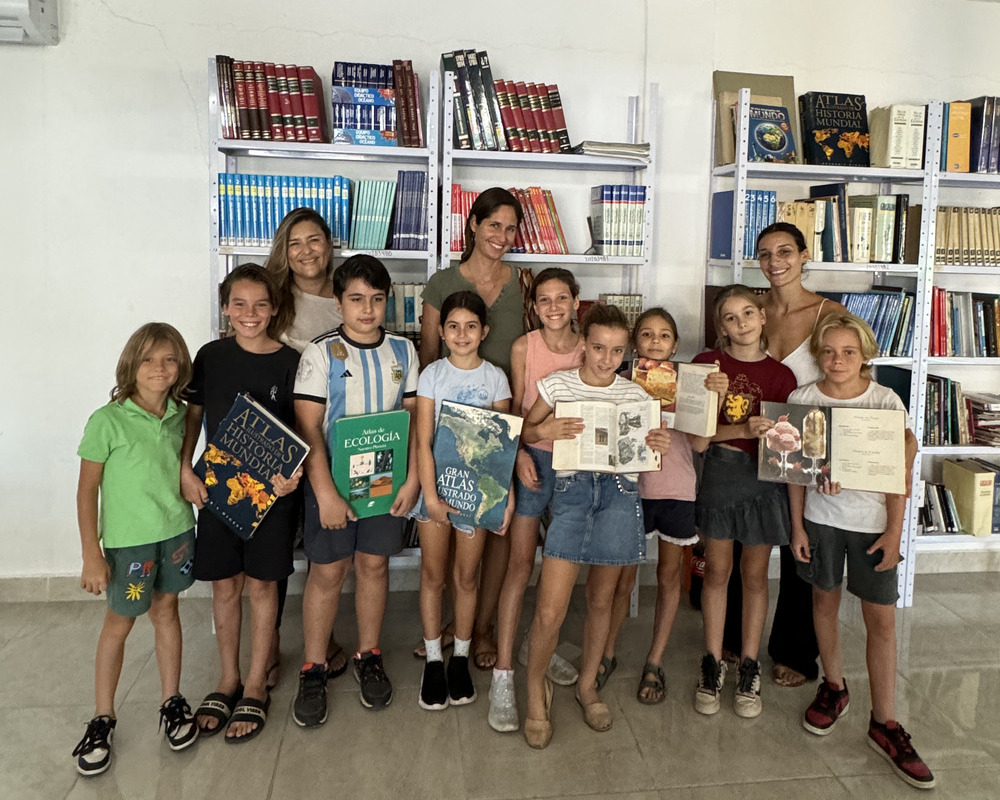
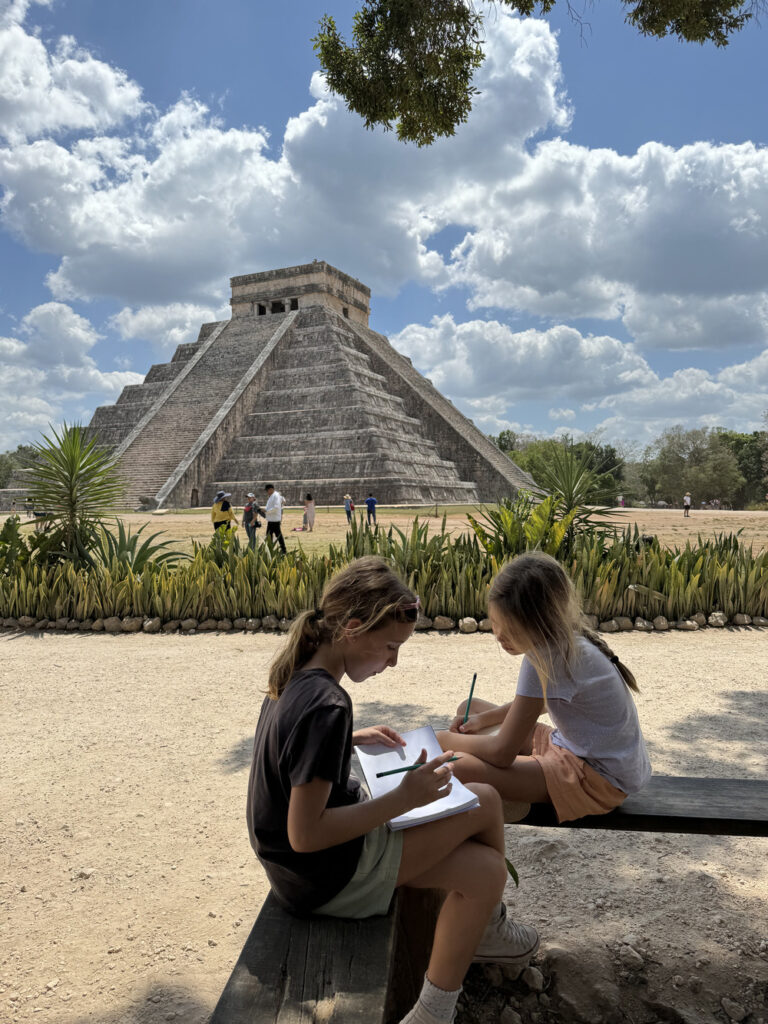
In social studies, children explore human stories, cultural landscapes, ways of life, and social structures that help them understand how human beings, throughout time, have transformed—and been transformed by—the world they inhabit. This journey awakens empathy, historical awareness, and a broader sense of the place we occupy within the tapestry of humanity.
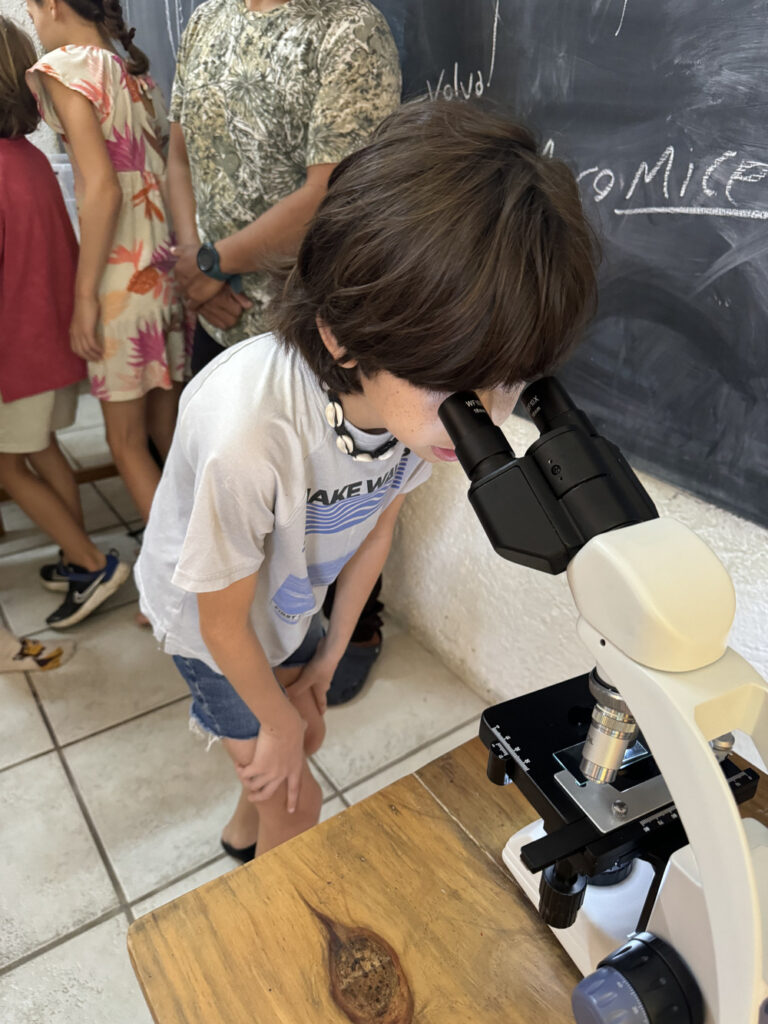
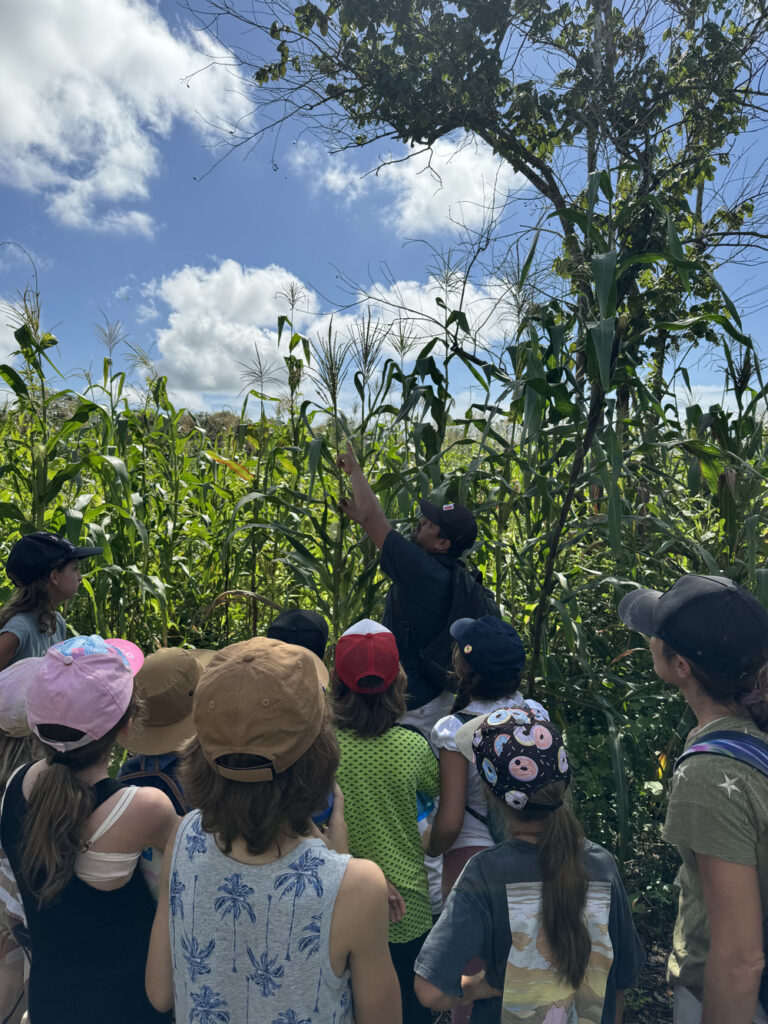
In the natural sciences, careful observation, curiosity, and wonder are cultivated. Through everyday phenomena, hands-on experiences, and narratives that illuminate the living world, children approach nature with an understanding of its rhythms, processes, and forces. This approach nurtures scientific thinking while maintaining a sensitive and respectful connection to the life that surrounds us.
Mathematics and language accompany this path as essential tools for organizing thought, communicating ideas, and understanding relationships. They are practiced in a living and consistent way, always connected to experience and to the inner meaning that allows children to integrate what they learn and apply it with confidence.
In this way, academic content is not presented as abstract lists, but as a path toward understanding the world—carefully sequenced to support each child’s cognitive, emotional, and volitional development, while strengthening their confidence in their ability to think, question, create, and comprehend reality with increasing awareness.
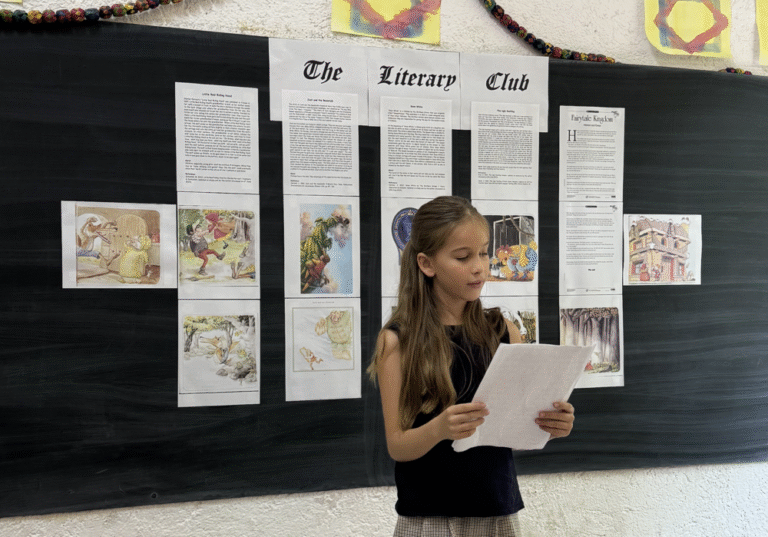
English Program – Cambridge Primary Path
The English language is an essential part of our educational approach.
In primary, classes are held daily and follow the Cambridge Primary Path program, allowing children to progressively and naturally develop listening, speaking, reading, and writing skills.
Our goal is clear and attainable: for all students to successfully take the KET (Key English Test) by the end of sixth grade, or earlier if they are ready.
Learning takes place through creative activities, dramatizations, projects, guided reading, and consistent practice, ensuring that each child feels safe, supported, and motivated on their path toward bilingualism.
In addition to daily work with Cambridge materials, beginning in Third Grade, each group incorporates carefully selected English reading books according to age and level. These readings support the immersion process, strengthen reading comprehension, and foster a love of literature in English, allowing children to approach the language in a natural, meaningful, and increasingly autonomous way.
Music: A Language That Shapes the Human Being
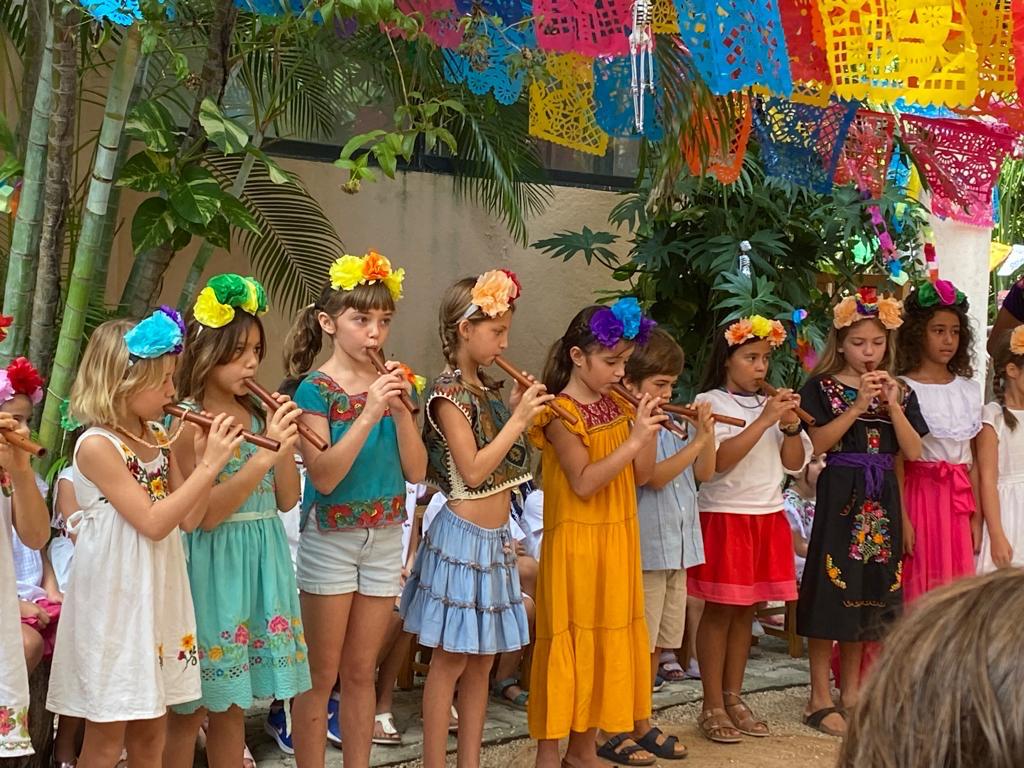
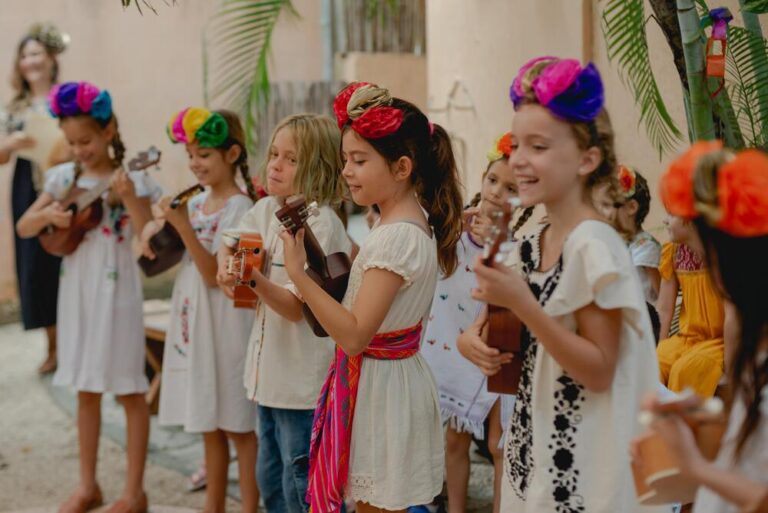
Music is a fundamental pillar of our educational approach. It is not an isolated subject, but a bridge that strengthens inner rhythm, listening skills, sensitivity, and community life.
The instrumental sequence accompanies child development organically, thoughtfully adapted to the students’ physical and emotional growth:
● 1st and 2nd Grade: Pentatonic flute
● 3rd and 4th Grade: Soprano recorder
● From 5th Grade onward: Alto recorder
● Beginning in 4th Grade: Ukulele as a harmonic instrument
Singing is present every day, both in class and during our festivals, helping children connect with beauty, breath, memory, and collaborative work.
Movement: Will, Rhythm, and Presence
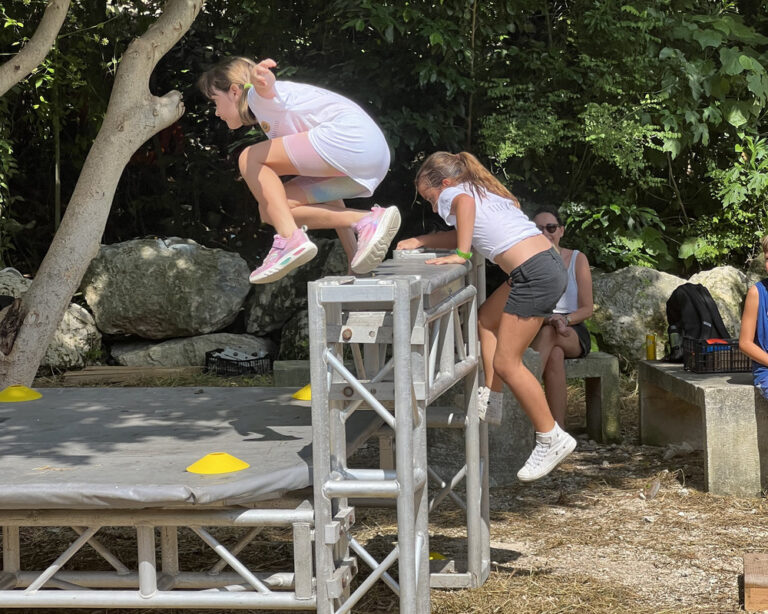
Movement is an intrinsic part of life at Tierra Libre. It is woven into the main lessons through rhythmic games, verses in motion, coordination, balance, and group dynamics that ground bodily presence and awaken the will.
Physical movement is further strengthened through our complementary classes:
● Dance and Bodily Movement (Lower Primary, Grades 1–3): Coordination, rhythm, games, and sequences that support motor organization and body awareness.
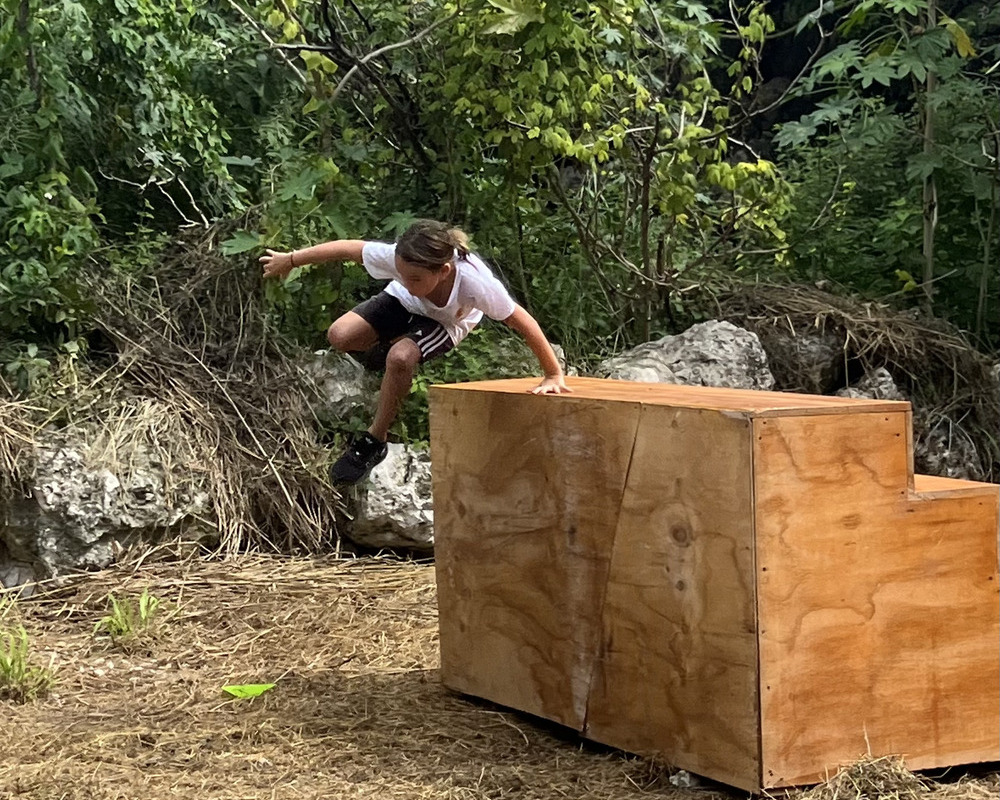
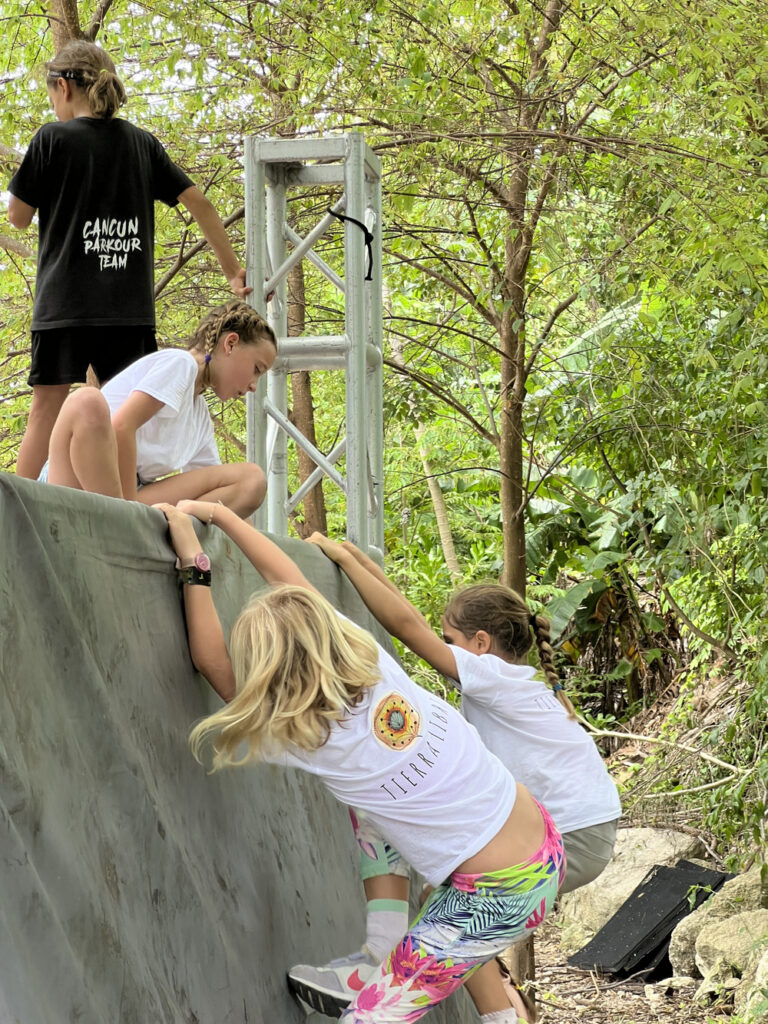
● Parkour (All Grades): A practice that guides children from the exploration of movement toward confidence, strength, agility, and the creative ability to overcome challenges in a conscious and safe way.
Artistic Development: Art as Containment and Expansion
Art is a pathway for inhabiting the inner world and understanding the outer one. Throughout primary school, children work with natural materials and meaningful processes that support their emotional and creative life.
● Beeswax Modeling (1st Grade): An exercise of will and creation, shaping forms from unity into parts, helping to strengthen the muscles needed for writing.
● Watercolor (All Grades): The wet-on-wet technique allows children to experience color directly while cultivating calm, sensitivity, and concentration.
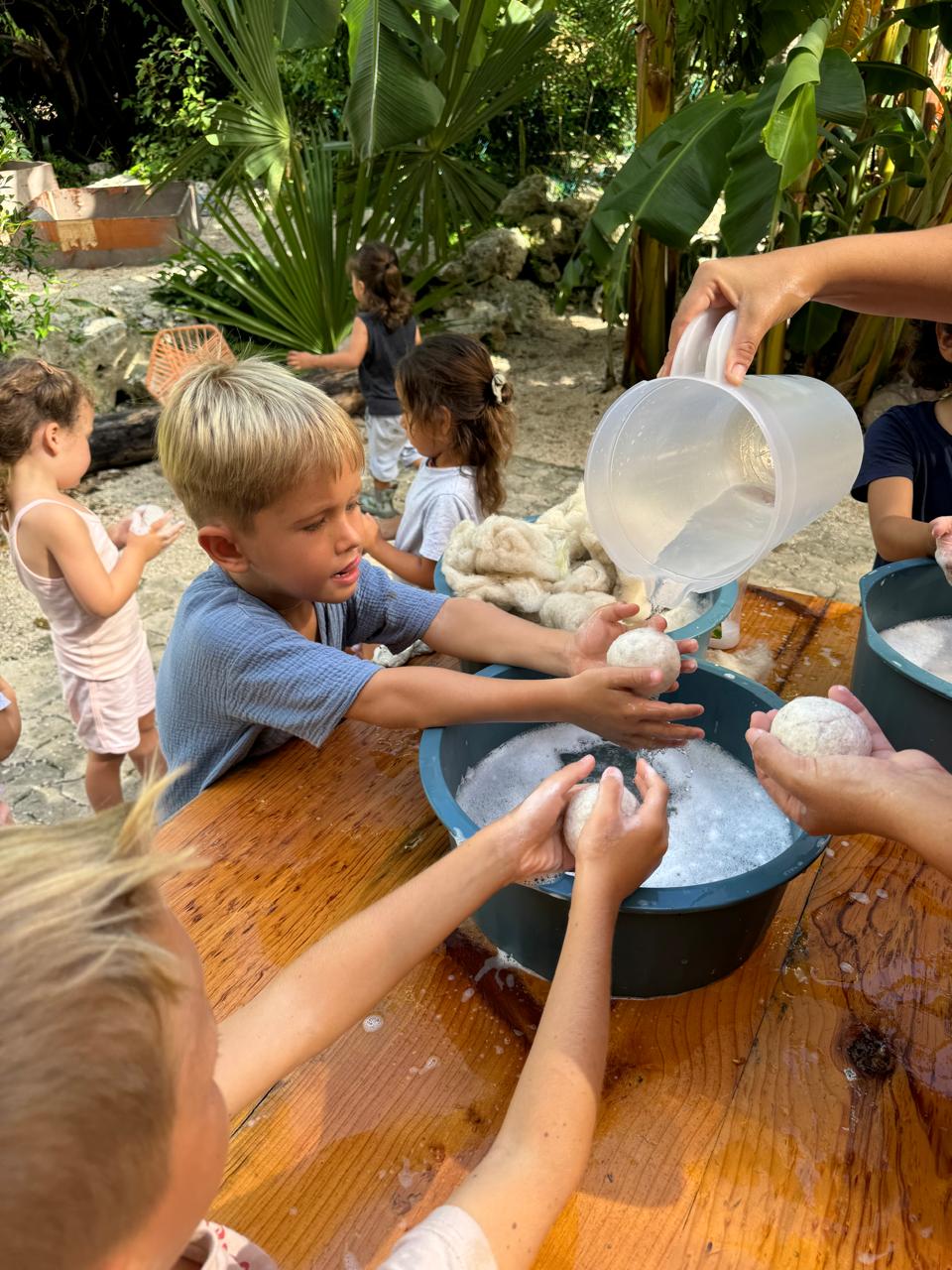
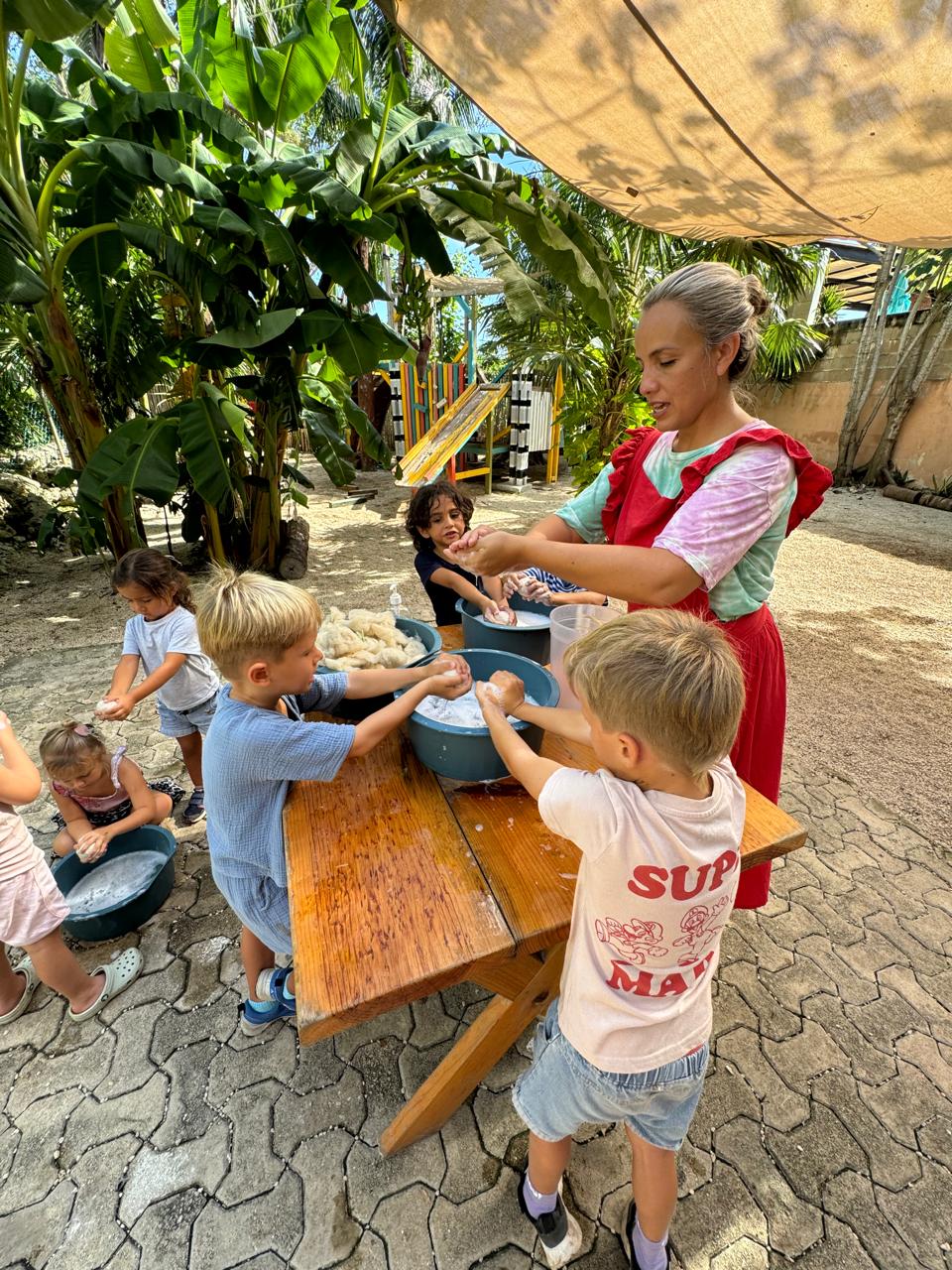
● Handcrafts: Adapted to each age group and including finger knitting, stick knitting, two-needle knitting, embroidery, and other techniques using natural fibers.
● Clay (All Grades): Modeling as a tactile and expressive experience that strengthens will, concentration, and connection to the earth. Each grade’s projects are linked to the current academic blocks, reinforcing deep integration of learning.
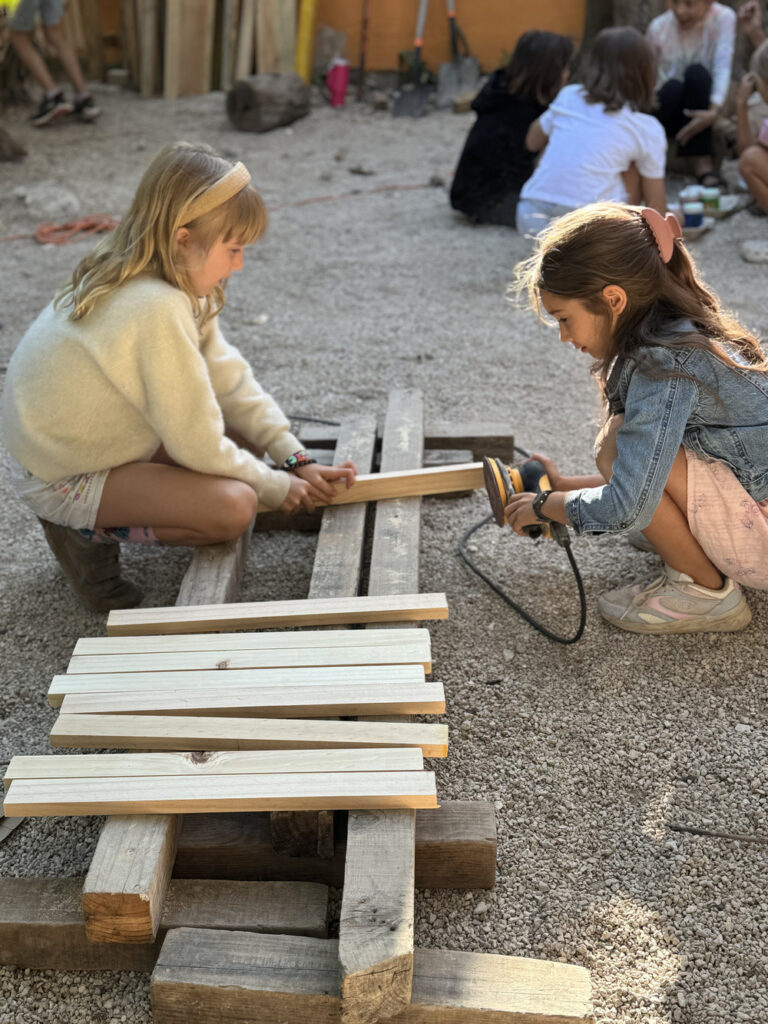
● Woodworking (From 4th Grade): Working with wood awakens precision, patience, practical and mathematical thinking, and the satisfaction of creating with one’s own hands.
Learning that Integrates Head, Heart, and Hands
At Tierra Libre, we want every child to discover the joy of learning, the ability to think independently, and the happiness of creating.
Primary school is a stage of expansion—academic, social, emotional, and creative.
We accompany this growth through a human, deep, and living approach, in an environment nurtured by the natural beauty of Puerto Aventuras and by a community of families who walk this path together.
Here, learning is not merely the acquisition of knowledge — it is an experience that transforms and endures.